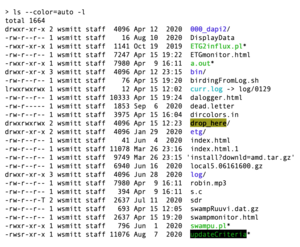
Using color to distinguish file types is disabled both by default and with --color = never. With --color = auto, ls emits color codes only when standard output is connected to a terminal. The LS_COLORS environment variable can change the settings. Use the dircolors (1) command to set it.
To have ls list the files in a directory other than the current directory, pass the path to the directory to ls on the command line. You can also pass more than one directory to ls, and have them listed one after the other.
When invoked with no path argument, ls lists the files of the working directory. Otherwise, it includes each specified file and each file of a specified directory.
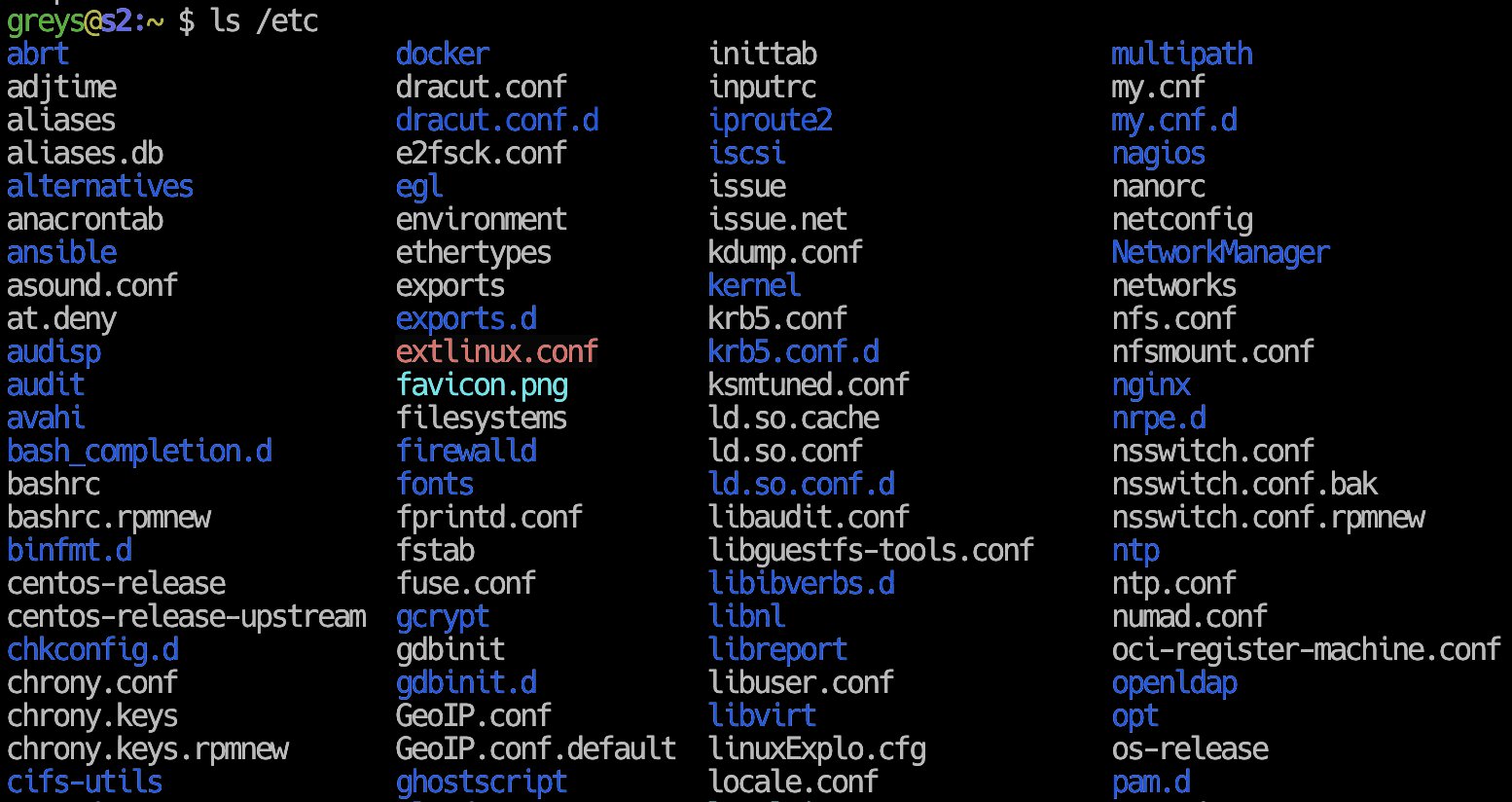
Mastering the ls command will allow you to list directory contents and find files a lot more efficiently than any GUI tools. It can also be utilized in bash scripting to help other tools manipulate files. In this guide, you’ll learn how to use the ls command in Linux through examples.
This article explained how to use the ls command and options in Linux to list files and directories. The command allows users to manage files by providing various options to filter, sort, and display data.
ls command is one of the most commonly used tools in Unix. You simply cannot underestimate the importance of being able to confirm exactly what files and directories are available to you, and ls does its job perfectly.
ls (1) - Linux man page Name ls - list directory contents Synopsis ls [OPTION]... [FILE]... Description List information about the FILEs (the current directory by default). Sort entries alphabetically if none of -cftuvSUX nor --sort. Mandatory arguments to long options are mandatory for short options too. -a, --all do not ignore entries ...
By default ls will sort entries alphabetically if none of -cftuSUX nor --sort are given. The most common ls options are -a (all files) and -l (long or details).